Learn when to replace a hydraulic filter element by checking differential pressure, contamination, media damage, seals, oil analysis and maintenance records.
Hydraulic filter elements protect pumps, valves, actuators and precision components from particles that can cause wear, sticking, leakage and unscheduled downtime. Replacing an element too early increases maintenance cost, while leaving it in service for too long can reduce oil flow and allow contamination to circulate through the system.
The correct replacement interval is not based on a single number. It should combine the equipment manufacturer's guidance with differential-pressure readings, oil analysis, inspection results and the actual operating environment. This guide explains the practical clues maintenance teams should review before deciding when to replace a hydraulic filter element.
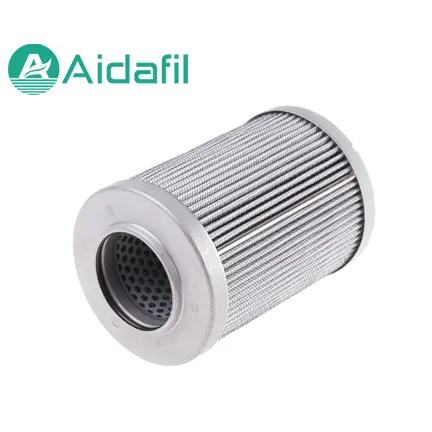
Start with the equipment maintenance interval
The equipment manual, filter housing instructions and maintenance plan provide the baseline for inspection and replacement. Some systems specify time-based intervals, while others require replacement at a differential-pressure threshold or after a certain number of operating hours.
The manual may also define the acceptable oil cleanliness level, filter rating, bypass setting and compatible seal material. Follow those requirements before applying general maintenance rules. If the machine operates in a dusty, humid, high-temperature or high-duty environment, the inspection interval may need to be shortened.
Eight clues that a hydraulic filter element needs attention
| Clue | What it may indicate | What to check |
|---|---|---|
| 1. Rising differential pressure | The element is loading with contamination or flow resistance has increased | Gauge readings, trend history and the system's replacement threshold |
| 2. Poor oil-analysis results | Particles, water or wear metals are exceeding the target level | Particle count, moisture, viscosity and wear-element trends |
| 3. Visible contamination | Sludge, metal particles or foreign material are present | Element surface, housing interior and oil condition |
| 4. Damaged or collapsed media | The element may no longer provide reliable filtration | Pleat deformation, tears, holes and end-cap condition |
| 5. Seal deterioration | Leakage or fluid bypass may occur | Cracks, hardening, swelling and seal seating |
| 6. Flow or temperature changes | Flow restriction, oil condition or operating conditions have changed | Flow, pressure drop, oil temperature and viscosity |
| 7. Repeated alarms or component wear | Contamination is reaching sensitive parts | Valve response, pump condition, alarms and repair history |
| 8. Maintenance history | The element may be overdue or unsuitable for current duty | Installation date, running hours, previous oil and repair records |
1. Review differential-pressure trends
Differential pressure is one of the most useful indicators of filter loading. A single reading can be affected by oil temperature, viscosity and flow, so compare it with the normal operating condition and previous readings.
Follow the equipment manufacturer's replacement threshold. Do not wait for a bypass valve to open as the normal replacement method. A bypass may protect the system from loss of flow, but it also means unfiltered oil can pass through the filter housing.
If differential pressure rises quickly after a new element is installed, investigate the source of contamination instead of repeatedly replacing filters without correction.
2. Use oil analysis as supporting evidence
Oil analysis can reveal contamination that is not visible in a filter inspection. Review particle counts, moisture, viscosity and wear-metal trends together. A single report is useful, but a trend is more reliable for maintenance planning.
If contamination increases while differential pressure remains low, check for air ingress, water ingress, damaged seals, dirty oil additions or a filter that is not suitable for the circuit. If particle counts improve after replacement and then rise again quickly, the system may have an ongoing contamination source.
3. Inspect the used element carefully
Inspect the removed element before discarding it. Record the part number, installation position, operating hours and any visible damage. Look for:
- metal particles or sludge on the media;
- collapsed, twisted or uneven pleats;
- tears, holes or separation at the end caps;
- hardened, cracked or swollen seals;
- corrosion or deformation of the support structure;
- signs that oil has bypassed the sealing area.
Do not judge an element only by its external colour. Dark media may be normal in some systems, while a lightly coloured element may still be damaged or incorrectly rated.
4. Check the complete replacement specification
A replacement element should match the system requirements, not only the appearance of the old part. Confirm outside diameter, inside diameter, overall length, connection details, seal dimensions and flow direction.
Also verify the filtration rating, filter media, collapse resistance, bypass arrangement and fluid compatibility. The part number may identify a family, but the full configuration can include suffixes that change the seal, connection or filtration specification.
For help interpreting a reference, read the filter cross-reference verification guide. For hydraulic systems, browse the hydraulic filter element category or review the complete AIDA Produktkatalog.
5. Do not clean a disposable element unless the supplier permits it
Many hydraulic filter elements are intended for one-time use. Cleaning methods that use compressed air, water, brushes or solvents can damage the filter media, alter the pore structure or leave contamination behind.
Only clean an element when the equipment manual or element supplier specifically permits the procedure. Even when cleaning is allowed, verify the filtration performance and inspect the element for damage before returning it to service.
6. Investigate repeated element failures
Frequent replacement can be a symptom rather than the root cause. Check for contaminated oil additions, damaged breathers, worn pump components, failed seals, excessive heat, incorrect oil viscosity or a filter selected for the wrong flow and pressure conditions.
If the same element collapses or loads quickly, provide the equipment model, part number, oil type, operating temperature, flow, pressure and oil-analysis results to the filter supplier. A technical review may identify a compatibility or application problem that normal replacement cannot solve.
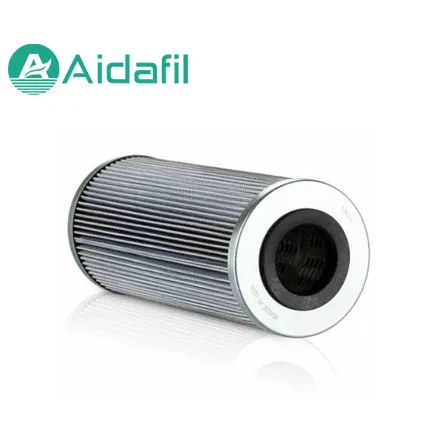
A practical replacement record
Keep a short record for each replacement so future decisions are based on evidence:
- Equipment model and installation position
- Complete element part number and alternate reference
- Installation date and running hours
- Differential-pressure reading before removal
- Oil-analysis result and oil condition
- Inspection findings and photographs
- Replacement reason and next inspection date
This record makes it easier to compare service life, identify contamination trends and select the correct replacement specification.
Häufig gestellte Fragen
How often should a hydraulic filter element be replaced?
Follow the equipment manufacturer's maintenance interval and replacement threshold. For critical systems, combine that guidance with differential-pressure trends, oil analysis and inspection results.
Can I replace the element only when the bypass opens?
No. The bypass opening point is not normally the intended replacement schedule. Replace according to the manufacturer's specified differential pressure or maintenance interval.
Can I clean and reuse a hydraulic filter element?
Only if the element supplier or equipment manual explicitly permits cleaning. Many disposable elements cannot be cleaned safely.
Why does a new filter element load quickly?
Possible causes include contamination in the system, incorrect oil viscosity, excessive flow, a damaged seal or an unsuitable replacement element. The cause should be investigated.
What information is needed to confirm a replacement?
Provide the complete part number, equipment model, installation position, dimensions, seal details, filtration rating, oil type and operating conditions.
If you need help confirming the right replacement, use the filter selection FAQ or contact our technical team with photos, measurements and equipment details.
Abschluss
Hydraulic filter replacement should be based on more than time in service or visual appearance. Use the equipment specification as the baseline, then review differential pressure, oil analysis and inspection evidence. Confirm the complete replacement design before ordering, and investigate repeated failures instead of accepting them as normal.
A consistent inspection and record-keeping process protects system reliability, improves maintenance planning and helps ensure that every replacement element fits the application.