Verwenden Sie Teilenummern, Abmessungen, Gewindedaten und Anwendungsdetails, um ein Ersatzfilterelement zu überprüfen, ohne sich allein auf eine Zahl zu verlassen.
Einführung
Eine Filterteilnummer ist ein wichtiger Ausgangspunkt, wenn ein Ersatzelement benötigt wird, aber es reicht nicht immer, um eine sichere Übereinstimmung zu bestätigen. Nummerierungssysteme ändern sich, Suffixe identifizieren verschiedene Versionen, und ähnliche Filter können einen Familiennamen teilen, während sie unterschiedliche Medien, Dichtungen, Dimensionen oder Druckwerte verwenden.
Ein verantwortungsvolles Querverweisverfahren vergleicht die bestehende Zahl mit dem physikalischen Produkt, der Geräteanwendung und der erforderlichen Leistung. Es dokumentiert auch, woher die Informationen kamen. Dieser Ansatz verringert das Risiko, einen Filter zu bestellen, der zum Gehäuse passt, aber das System nicht schützt.
Dieser Leitfaden erklärt, wie man die richtigen Informationen sammelt, wie man eine Filterteilnummer mit einem möglichen Ersatz vergleicht und wann eine Zeichnung oder physikalische Probe angefordert werden sollte.
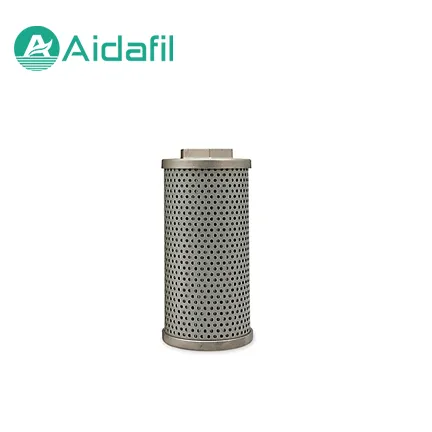
Was kann und kann Ihnen nicht sagen
Eine Teilnummer kann eine Produktfamilie, eine Nenngröße, eine Filtration, einen Verbindungsstil oder eine interne Konfiguration identifizieren. In einigen Fällen zeigt es auch die Version oder Serien des Herstellers an. Allerdings kann die gleiche Zahl mit verschiedenen Präfixen, Suffixen, Räumen oder Pünktlichkeit geschrieben werden. Eine auf einem alten Etikett gedruckte Nummer kann sich auf einen ersetzten Gegenstand beziehen.
Eine Teilnummer allein kann normalerweise nicht bestätigen:
1.Die genaue Abdichtung
2.Die aktuelle Medienspezifikation
3.Der Kollapsdruck des Elements
4.Die Anforderungen an Durchfluss und Druck der Anwendung
5.Ob ein früherer Ersatz die ursprüngliche Konfiguration geändert hat
6.Whether the filter housing itself has been modified
For these reasons, cross-referencing should be treated as a verification process rather than a simple text search.
Collect the Existing Part Number Correctly
Record the number exactly as printed, including capital letters, hyphens, slashes, decimal points, and suffix letters. Take a photograph of the label, stamping, or packaging before cleaning or handling the element. If the number is difficult to read, use more than one light angle and do not overwrite the original marking.
Check whether the number appears in more than one place. A label may show a sales number while the end cap shows a production number. Note both without assuming which one is the primary reference.
If the number is missing, do not invent a substitute based on appearance. Move to dimensional and application verification.
Gather the Physical and Operating Data
A reliable cross-reference record should include:
1.Original part number and any superseded number
2.Product photographs from several angles
3.Overall height, outside diameter, and inside diameter
4.Thread, connection, and sealing details
5.Filtration rating and whether it is nominal or absolute
6.Filter media type
7.Seal material
8.Flow rate and normal operating pressure
9.Maximum differential pressure or collapse requirement
10.Fluid type, viscosity, and temperature
11.Equipment model and filter location
If the filter is still installed, record the housing markings and the surrounding connection details. If the system has been modified, note the modification rather than assuming the original drawing still applies.
Understand the Difference Between a Part Number and a Cross-Reference
A part number identifies one manufacturer's item. A cross-reference is a relationship between that item and another product or reference number. A cross-reference can be useful, but it is only as reliable as the source and the data behind it.
A number may cross to several possible products because the original family had multiple configurations. One entry may match the dimensions but use a different media. Another may match the media but have a different seal. A proper comparison should show which attributes were confirmed and which remain uncertain.
Do not describe a product as an official, genuine, or authorized replacement unless that status is supported by the relevant manufacturer. For independent aftermarket products, use clear language such as compatible replacement option and confirm the final fitment through technical data.
A Practical Cross-Reference Workflow
Step 1: Normalize the Number
Remove only formatting that is clearly not part of the number, such as spaces added by a label printer. Keep suffixes and punctuation if they may carry meaning. Record the original form beside the normalized form.
Step 2: Search by Number and Variants
Check common variants, including a missing leading zero, a different separator, or a superseded suffix. Do not treat a search result as confirmation until the physical details agree.
Step 3: Compare Primary Dimensions
Compare height, outside diameter, inside diameter, and connection details. If any primary interface is different, stop and investigate before proposing a replacement.
Step 4: Compare Performance Data
Check filtration rating, media, flow capacity, pressure rating, temperature range, and seal compatibility. Confirm whether the existing application requires a specification that is not visible on the old element.
Step 5: Check the Installation Interface
Review seal contact surfaces, center-tube engagement, end-cap shape, bypass arrangement, and orientation. A filter can appear to fit while failing to seal or locate correctly.
Step 6: Document the Result
Record which attributes matched, which were obtained from a drawing, and which remain unverified. This is especially important when the customer needs a repeatable procurement reference.
Step 7: Confirm Before Ordering
Ask the supplier to state the basis of the cross-reference. If the information is incomplete, request a dimensional check or a sample review rather than relying on the number alone.
When a Drawing or Physical Sample Is Needed
A drawing or sample is often appropriate when the element is damaged, the marking is missing, the housing has been modified, or two products share similar dimensions. It is also useful for high-value equipment, critical hydraulic circuits, and applications where a filter failure could cause significant downtime.
A sample should be clean enough for safe handling and clearly labeled with the equipment model and operating issue. Do not send a contaminated element without following the applicable safety and shipping requirements.
Common Cross-Reference Mistakes
One common mistake is treating a web search result as an approved interchange. Another is ignoring a suffix because the main number appears to match. Teams also compare only the outside diameter and overlook the inside diameter, seal profile, or thread pitch.
A further risk is mixing a replacement into a system without confirming the required filtration rating. A filter that is physically compatible but has the wrong media or efficiency may allow particles to pass or may clog too quickly.
Finally, avoid using brand names in a way that suggests affiliation, authorization, or original-manufacturer approval. Use the reference number only to identify the item being compared.
Information to Send with an Inquiry
For a faster review, send:
11.The original part number and equipment model
12.Photos of the complete element and both ends
13.Height, outside diameter, and inside diameter
14.Thread and connection information
15.Filtration rating, media, and seal material if known
16.Operating pressure, flow, temperature, and fluid type
17.The reason for replacement and any symptoms observed
If the part number is unreadable, say so directly. A clear dimensional record is often more useful than an uncertain number.